Is the V lift Korea is known for something you can fit into a three-day weekend, or will you spend your savings on the wrong treatment and walk into work on Monday with a swollen jaw?
A V lift is a goal for the lower face, reached by lifting the deeper layer, tightening the skin, reducing fullness under the jaw or adding at the chin, depending on what is blurring the line. Most energy-based options for it list no downtime, so they fit a short trip; a thread lift lists about one week.
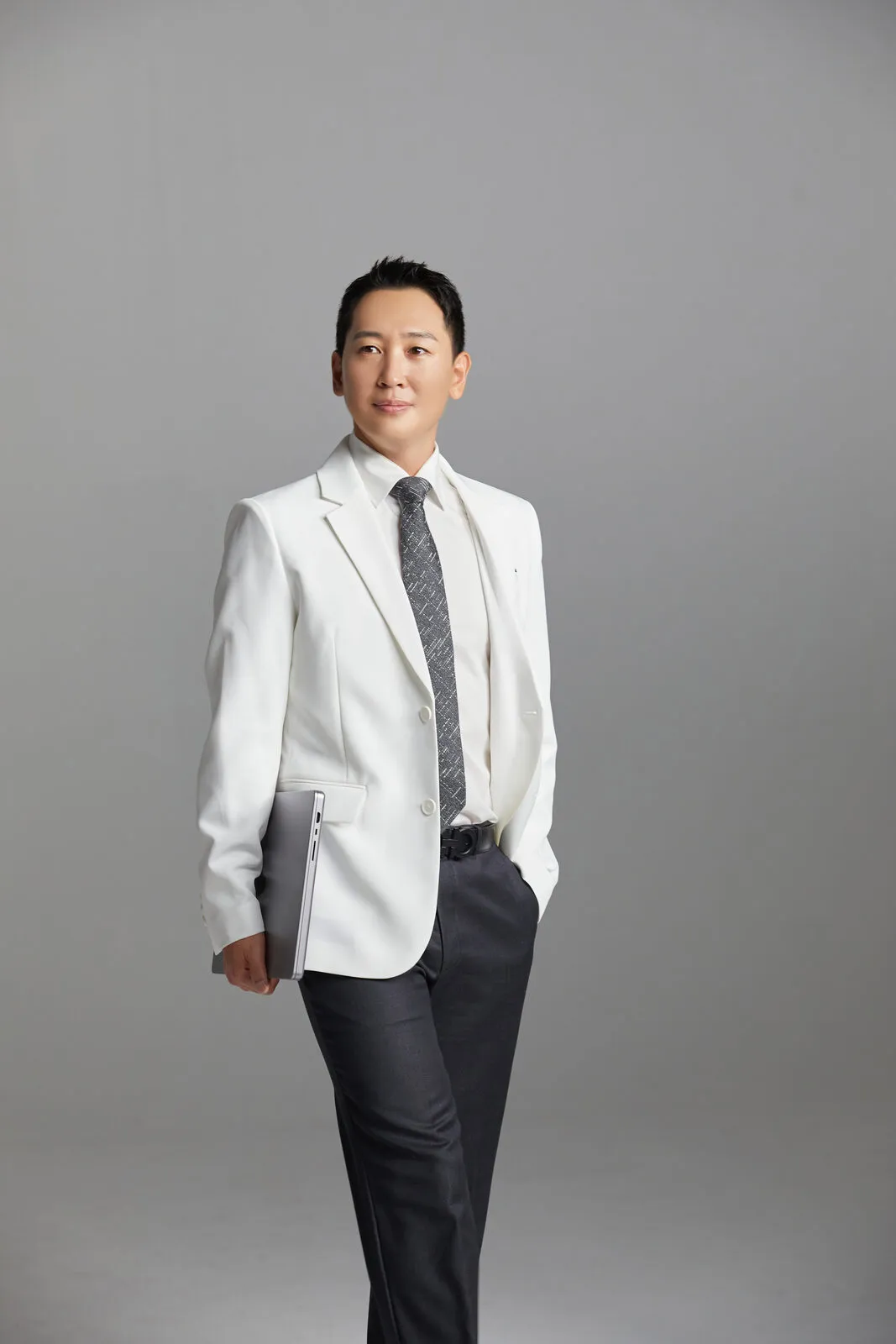
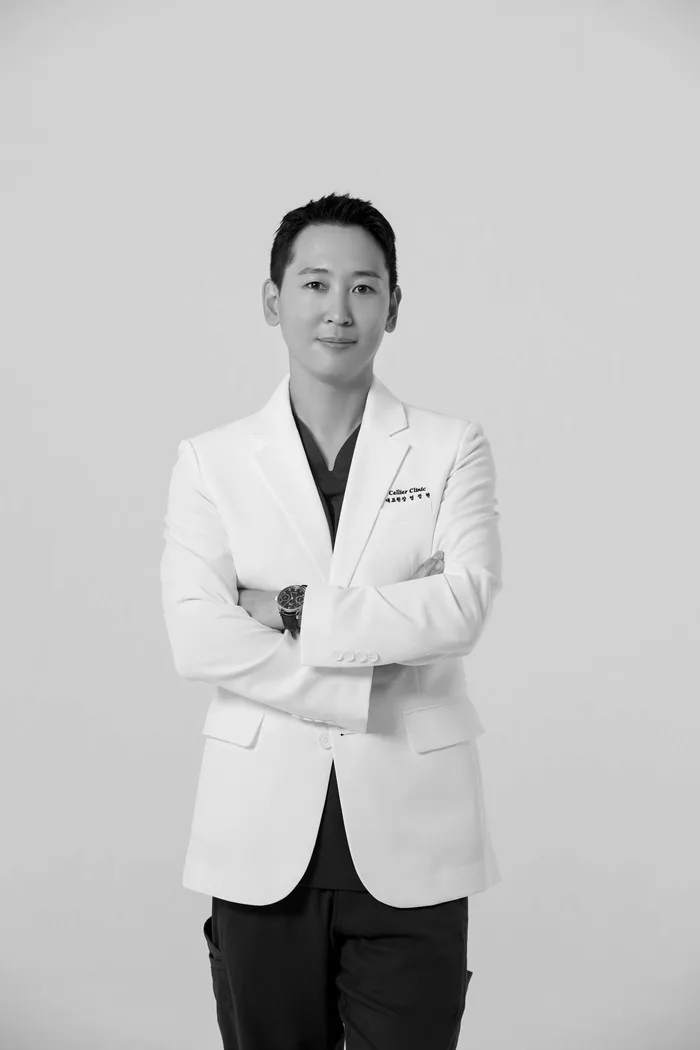
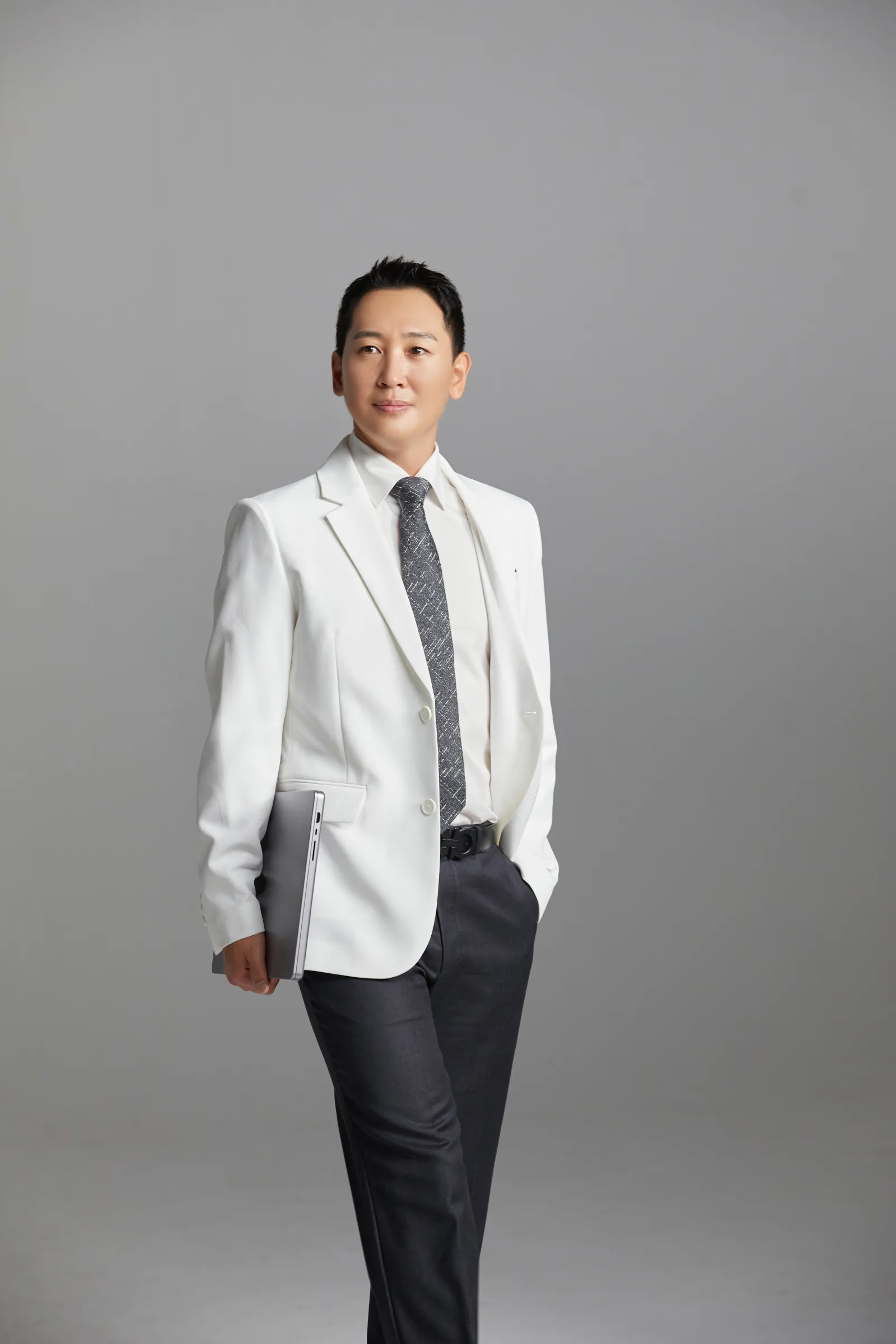
Hello, I'm Dr. Junghyun Youm, Director of Cellier Clinic in Gangnam, Seoul.
I'm a surgeon by training and a member of the Korean Society of Lifting and the Korean Society of Fillers. That matters for this question, because a soft jawline can come from skin, fat, bone or lost volume. I examine your face in person, one-on-one, and assess skin, muscle, bone structure, fat and volume together before recommending anything.
If the trip is already on your calendar, send a front and a side photo of your jawline in daylight on WhatsApp, with your dates, and ask which options could fit between landing and your flight home.
What does a V lift actually mean in Korea?
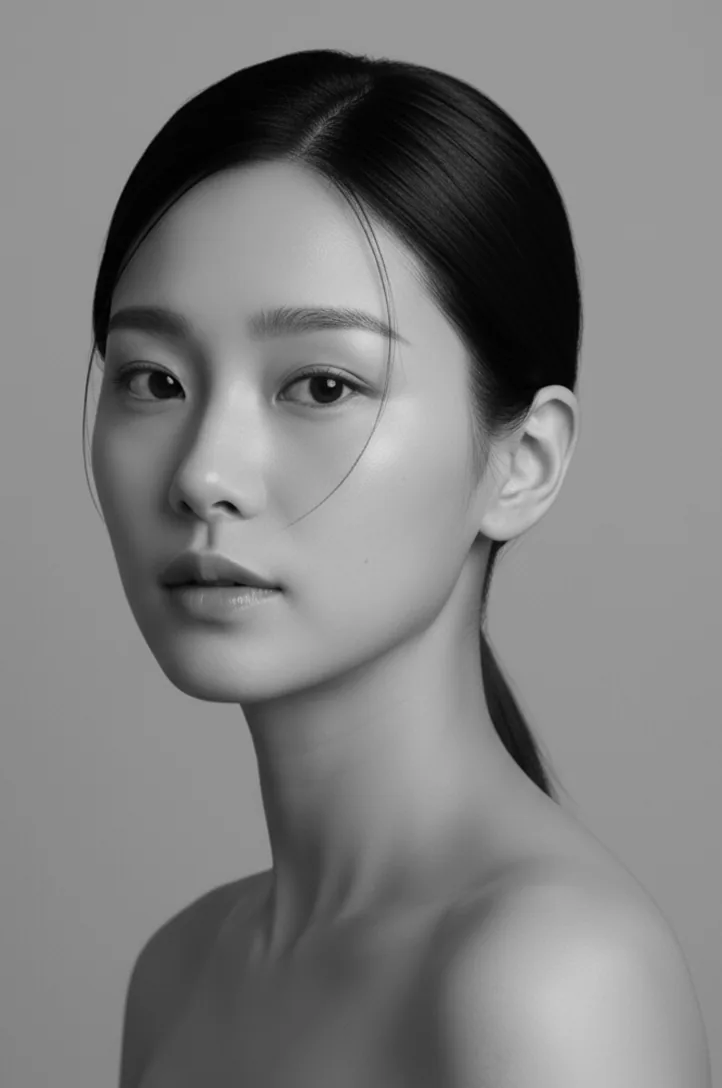
In Korea, the V-line describes a face that narrows smoothly from the cheekbones to a defined chin. A V lift is any treatment that moves the lower face toward that outline. That's why two clinics can suggest completely different things for the same request: one is thinking of threads, another of ultrasound, a third of the chin.
Think of a shirt on a hanger. If the fabric is creased, an iron fixes it. If the shoulders droop because the hanger is too narrow, no amount of ironing helps. Loose skin is the crease; a recessed chin or lost volume is the hanger. Between the two sits the SMAS, the connective layer under the fat that facelift surgery also repositions, and that is the layer focused ultrasound aims at.
Four things that blur a jawline
Jowls sitting lower than a few years ago. What it usually points to: Sag in the deeper SMAS layer; Options on our menu: Ultherapy PRIME, Thread Lifting.
Skin that looks crepey but stays in place. What it usually points to: Laxity in the skin itself; Options on our menu: Thermage FLX, Soprano Titanium.
Fullness under the chin or along the jaw. What it usually points to: Fat rather than sag; Options on our menu: Face Contour Injection, Onda.
A chin that sits back, blunting the point of the V. What it usually points to: Bone structure or volume; Options on our menu: Filler.
A wide lower face from a strong chewing muscle is a fifth pattern, and lifting devices don't reduce muscle bulk, so that one is treated differently.
How Ultherapy PRIME lifts the lower face
Ultherapy PRIME sends focused ultrasound to the SMAS while showing the skin layers on a screen in real time, so the energy lands at a chosen depth instead of spreading over the surface. The heated points contract and prompt new collagen over the following weeks. A 300-shot protocol takes 20–30 minutes, results show from around week 4, and they last 6–12 months depending on skin condition.
For a short trip, that week-4 timing is the part people miss. You'll leave Seoul looking much as you arrived; the change builds at home. Pooled studies of this kind of ultrasound show measurable improvement in lower-face and neck laxity, with mostly mild, short-lived side effects, which fits its purpose: early to moderate sag.
If you're also weighing radiofrequency, I set out the differences in Ultherapy PRIME vs Thermage FLX and which face each suits.
Who is the Korean V lift treatment right for?
Energy-based lifting tends to suit early jowling in skin that still springs back when you pinch it. It suits less well when skin hangs in folds, because there's more excess than collagen tightening can take up. That is surgery's territory, and I'd rather say so than suggest a device that can't deliver.
It also isn't the answer when the V is missing at the bottom. A chin that sits back makes the whole jaw read wider, and filler at the chin point can change the outline more than a lift would. The reasoning is the same as for lips, where I explain why shape comes before volume with fillers.
Say you're 32, teaching English in Busan, your jaw has started to look square in photos, and you have a three-day weekend in Seoul. If the cause is mild fullness under the chin plus early sag, a device session on your first day and nothing that bruises before Monday fits the trip. If the cause turns out to be a recessed chin, a device alone would disappoint you, and the conversation moves to the chin.
Hold off for now if you're pregnant or breastfeeding, have active acne or infection along the jaw, have had filler or threads in the same area recently, or tend to form raised scars. Mention any blood thinners as well.
Thread lift or device: which fits a short trip?
Threads give a lift you can see right after treatment, and the contour keeps building as collagen forms around them. The procedure takes 20–30 minutes under local anesthesia or sedation, and the trade is downtime: about one week, with swelling and tenderness along the thread paths.
Devices work the other way round: little to see on the day, gradual change over weeks, and most list no downtime. Threads make more sense when you have about a week in Seoul and want a visible change before you fly. The number of threads moves both the result and the bill, which I cover in why thread count matters when comparing quotes.
If chin filler is part of the plan, put it early in the trip. Injections can bruise, and a bruise needs days to fade; the timing advice for booking lip injections at the start of a Seoul trip applies to the chin and jaw too.
Swelling, numbness and thread dimpling: the risks to know
After Ultherapy PRIME, mild redness, swelling or tingling can follow and typically settles on its own. Some people feel tender along the jaw for a week or two. Less often, ultrasound lifting leaves small bruises, raised welts or a patch of numbness, which usually fades over several weeks. Surface burns are rare and relate to how the energy is placed.
Threads carry different risks: dimpling or puckering of the skin, slight asymmetry, a thread end you can feel, and infection, which needs prompt treatment. Most are minor and correctable, and they're easier to handle when you know about them before boarding.
Results vary from face to face, and how long a lift lasts depends on your skin. Before your flight, ask for a written note of what was used, on which areas, and how many shots or threads, so a doctor at home has something to read. Redness that spreads, heat, fever or a thread poking through the skin are reasons to see a doctor locally that same day.
If any of this applies to you, send a side photo of your jaw on WhatsApp and list any filler, threads or blood thinners you've had, with rough dates, and ask whether they change what you can have on this trip.
What decides the cost of a V lift in Seoul
Which cause you have, and so whether one treatment is enough or two are combined.
Shots and area: protocols are set by the number of shots, and the lower face alone differs from the lower face plus neck.
Anesthesia: Ultherapy PRIME can be done with topical numbing, a nerve block or IV sedation.
Threads: how many, and over which areas.
Sessions: Onda, for example, is planned as three sessions 3–4 weeks apart, which doesn't fit a single short trip.
Ask on WhatsApp what your combination would cost, with your jawline photo and the number of days you have.
Your days in Seoul, around one visit
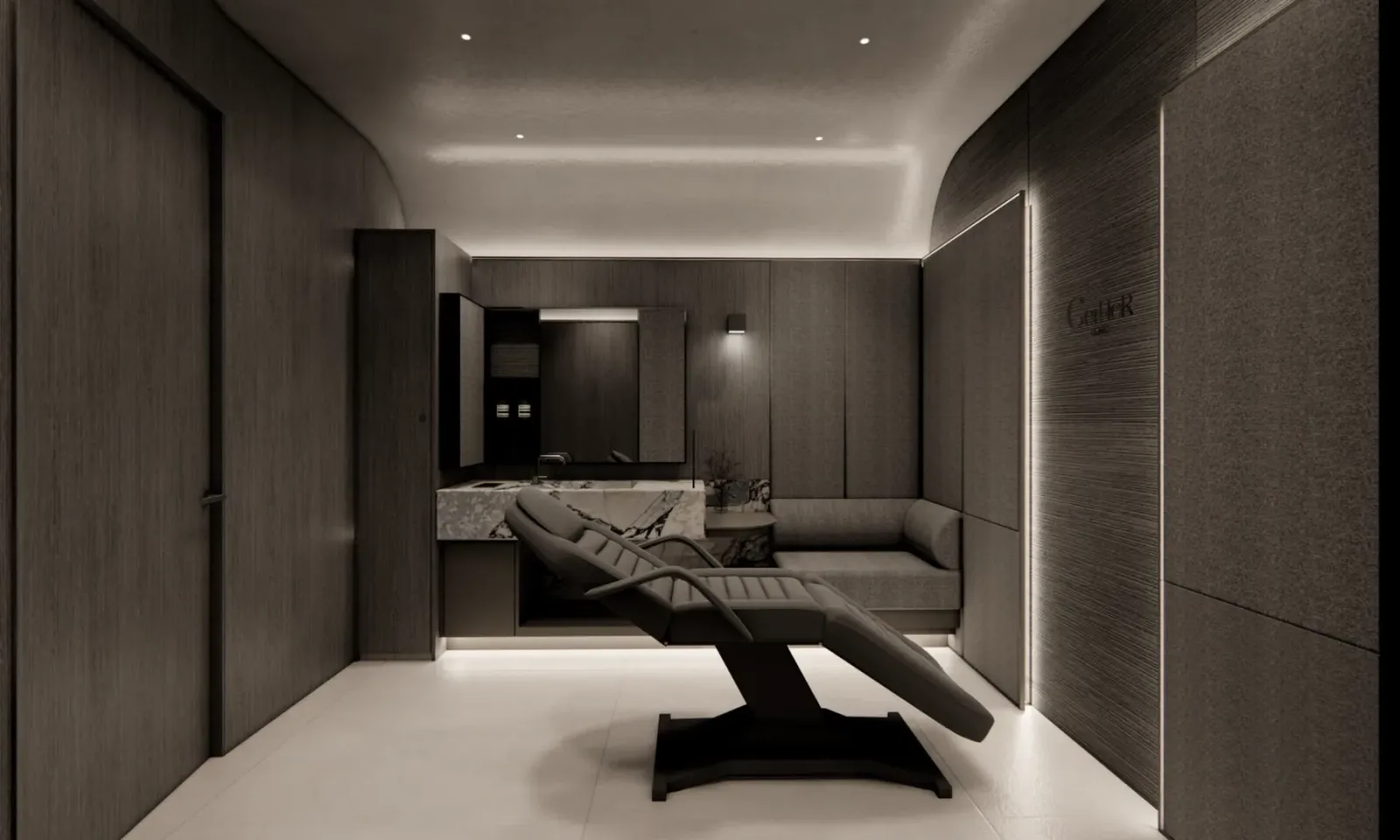
The clinic is about a 1-minute walk from Sinsa Station (Line 3 / Shinbundang), Exits 1–2. Weekdays run 10:00 AM–8:00 PM with lunch from 2:00 to 3:00 PM, Saturday 10:00 AM–4:00 PM, and we're closed Sundays and public holidays. The last reservation is one hour before closing.
On a Friday-to-Sunday trip, that leaves Friday or Saturday as your window. Book the consultation for the first of those days, so any session that follows still has room.
What should you ask any clinic before a V lift?
Who examines my face, and is that the doctor who treats me?
Which layer do you think is causing the blur, and why that device or threads?
What anesthesia options exist, and what downtime goes with each?
How many shots or threads, over which areas?
If something comes up after I fly home, how do I reach you, and what record of the treatment do I leave with?
It doesn't have to be us. Wherever you book, clear answers to these tell you more about the plan than any advertisement.
As a surgeon, I read a jawline the way I learned to read anatomy: skin, muscle, bone, fat and volume together. A V shape is the sum of those layers. On a short trip, I'd sooner aim one treatment at the actual cause than stack three because the calendar is tight.
Where I stand: the lower face should be planned from its structure, and a device chosen only once you know which layer it is meant for. When you come in person, what decides your plan is how far the jowls sit below the jaw and how much fullness lies under the chin. None of this has to be settled in one weekend, and a first message doesn't oblige you to book. We're at 5F, Rex Tower, 108 Dosan-daero, Gangnam-gu, Seoul. Send your two daylight photos and your dates on WhatsApp, and ask whether your jawline points to a lift, a tightening or the chin.
— Dr. Junghyun Youm, Director
Sources
- Aesthetic Surgery Journal (via PubMed Central) — Microfocused Ultrasound With Visualization (MFU-V) Effectiveness and Safety: A Systematic Review and Meta-Analy
- Journal of Cosmetic Dermatology — Microfocused ultrasound with visualization: Consensus on safety and review of energy-based devices
- American Society of Plastic Surgeons — Thread Lift Risks and Safety Information