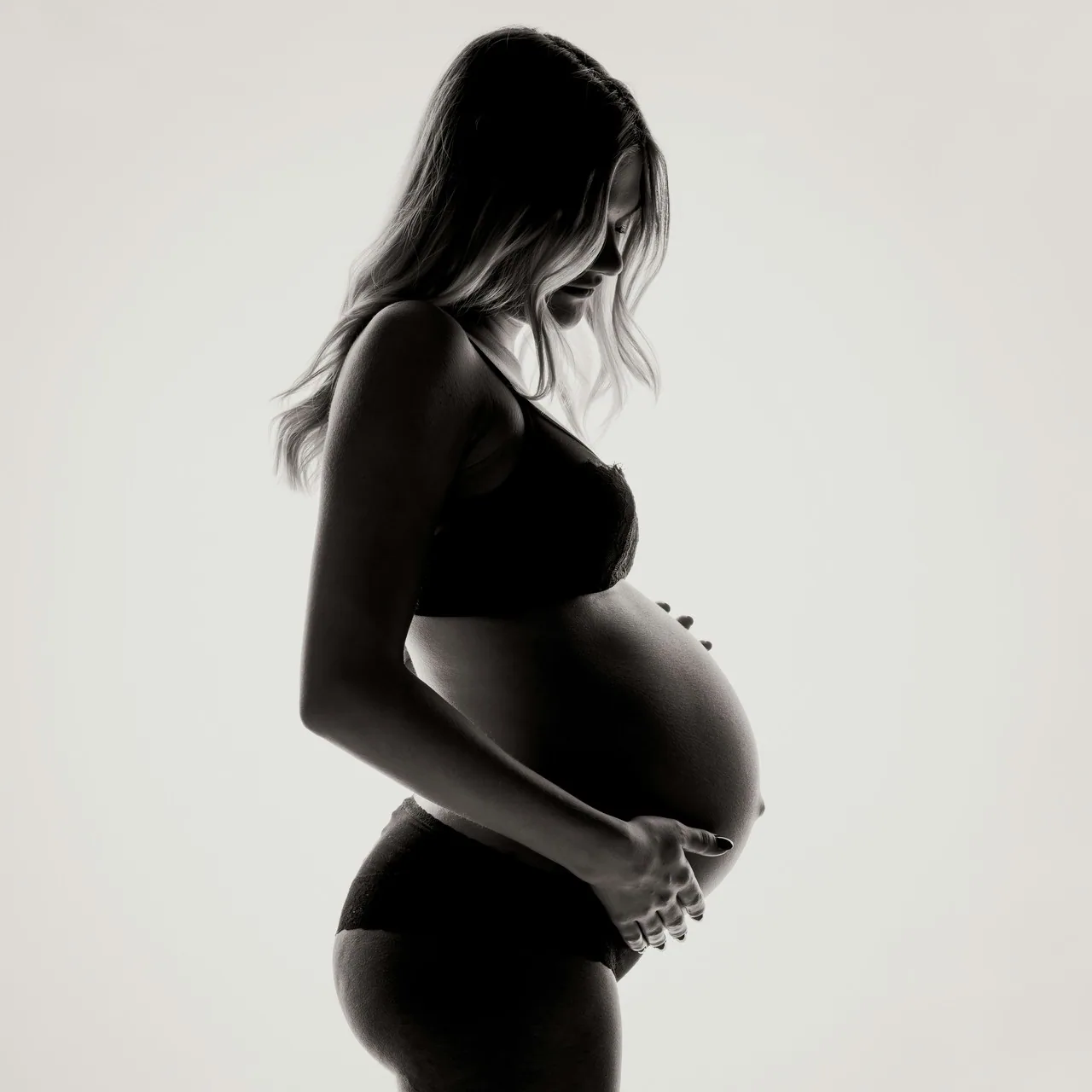

Postpartum abdominal care is about restoring how the abdomen feels and looks after pregnancy and delivery: skin that has lost elasticity, texture that has changed, and a line that no longer sits the way it used to. Cellier Clinic's Abdominal Care program is designed for this kind of recovery. It is not a weight-loss treatment, and it is also available for general abdominal care.
This guide explains what the program involves, how the sessions are paced, and what to ask at your consultation. It is general information, not medical advice, and individual results vary.
What does postpartum abdominal care aim to do?
After childbirth, the abdomen is rarely a simple matter of fat. The clinic describes the changes as a combination of lowered skin elasticity, dermal damage, swelling, and reduced circulation. The clinic therefore reads these changes as one picture, working from the skin through to the underlying tissue, rather than treating a single symptom.
In the clinic's words, the goal is to refine a stretched line, gently restore skin texture, and bring firmness back to the curve of the abdomen. The focus is on firmness, line, and comfort in the area, and not on losing weight. Think of it as recovery care for the skin and the tissue beneath it, which is a different aim from a fat-reduction program.
How does Abdominal Care work?
Abdominal Care combines several approaches in one program, and each addresses a different layer.
- Combined energy delivery: radiofrequency and ultrasound energy are delivered to the abdominal skin and underlying tissue, addressing the dermal layer and fascia rather than fat alone.
- Micro-regenerative injection: targeted micro-injections support dermal collagen renewal in areas where skin elasticity has been affected by pregnancy and delivery.
- Circulation and firming: the program also activates circulation and helps reduce fluid buildup, so the abdomen feels lighter and firmer as results build across a course of sessions.
Which concerns is it described for?
The program is described for people who want to care for a loosened abdominal line after childbirth, and for those concerned about reduced firmness or a stubborn softness in the area. The listed benefits include improved abdominal elasticity, softer stretch marks and fine wrinkles, and a healthier skin environment.
If you are thinking about body shape and firmness more broadly, our overview of body shape and skin firmness shows the other options at the clinic and is a useful place to start before your consultation.
How long is a session, and how many are needed?
A session takes about 20 to 30 minutes. Anesthesia is a topical cream or a local injection, chosen with your doctor. Most patients see results after three or more sessions, spaced three to four weeks apart, so it is something you plan across weeks, not a single appointment.
That pacing matters if you are visiting Seoul from abroad. A three-to-four-week gap between sessions may not fit inside a short stay, so share your travel dates at the start and we can discuss what is realistic. Your doctor confirms the number of sessions after assessing you. If you live abroad, ask whether any part of the plan could be continued after you return home.
What is the downtime and aftercare?
Downtime is about three days. Temporary swelling or bruising can occur and usually resolves on its own. Cleansing and makeup are fine from the next day.
For one week after treatment, avoid sauna, alcohol, and strenuous exercise. Keep the area clean and use sunscreen consistently to support recovery. Results typically last about six to twelve months, depending on your skin condition and daily habits.
What does a postpartum abdominal care visit look like?
A visit starts with the consultation, where the doctor looks at the abdomen as a whole: skin elasticity, the texture of the skin, stretch marks, swelling, and circulation. From there, your plan is set, including how many sessions to schedule and how far apart.
On the day of treatment, anesthesia is applied first, either a topical cream or a local injection. The energy delivery and the micro-injections follow, and the session takes about 20 to 30 minutes in total. Afterward, you can go about your day, with temporary swelling or bruising possible for around three days.
What should you ask about postpartum abdominal care?
Every pregnancy and recovery is different, so it helps to arrive with questions. Care is planned individually, and your doctor can answer them properly only after meeting you.
- Is my abdomen ready for treatment, and when would be the right time for me?
- How many sessions should I plan for, and what spacing suits my schedule?
- Which anesthesia option would be more comfortable for me?
- What should I avoid in the first week, and when can I return to exercise?
- How does Abdominal Care differ from other body tightening treatments?
When is it appropriate to begin after childbirth?
This is a medical question, and we do not set a general timeline in an article. The right moment depends on your delivery, your recovery, and your health history, which is why the first step is an in-person consultation with the doctor. Dr. Jeonghyun Yeom sees each patient one-on-one, and the assessment is individual.
If you have a specific question about the timing of postpartum abdominal care, message us about postpartum abdominal care and tell us your travel dates. We will explain how a consultation would work and what the doctor needs to know.
What other body treatments are considered alongside it?
Abdominal Care sits within the clinic's body contouring options. Body Onda is listed for body tightening, collagen, and fat reduction, and Body LinearZ is listed for body lifting and firmness. They are different treatments with different aims, and the choice depends on what is concerning you most.
Our broader overview of body contouring treatments shows the full set. Bring any questions about how they differ to your consultation.